Compare Local Contractors for Interior Lighting Installation Success
Compare local contractors for interior lighting installation to define scope, verify experience, and set clear expectations for a successful project.
Interior lighting installation projects typically encompass a range of tasks aimed at enhancing the functionality and aesthetic appeal of a space. This work often includes planning the lighting layout, selecting suitable fixtures, installing wiring and electrical components, and ensuring proper placement for optimal illumination. Whether updating existing lighting or adding new fixtures, contractors focus on creating a balanced environment that meets the specific needs of a property’s interior design and usage.
Clearly defining the scope of an interior lighting installation is essential for setting realistic expectations and ensuring the project meets desired outcomes. Property owners should consider aspects such as the types of fixtures desired, the number of lighting zones, control systems, and any special features or integrations. Having a detailed scope helps prevent misunderstandings, facilitates accurate communication with service providers, and ensures that all parties are aligned on the work to be performed.
When comparing local contractors for interior lighting installation, property owners should evaluate their experience with similar projects, verify their familiarity with current lighting technologies, and review their previous work if possible. It’s also important to consider how each contractor approaches project planning and communication, including whether they provide written descriptions of the scope and the work involved. By assessing these factors, property owners can make informed decisions and select service providers that best meet their specific project needs.
Compare local contractors by outlining project priorities, verifying experience, and clearly defining scope and expectations.
- Define Project Scope - clearly outline the specific lighting installation needs to ensure all parties understand the work involved.
- Verify Experience - check the background and previous work of local contractors to assess their expertise.
- Compare Service Providers - evaluate multiple local contractors based on their offerings and reputation.
- Document Expectations - put all project details and agreements in writing to avoid misunderstandings.
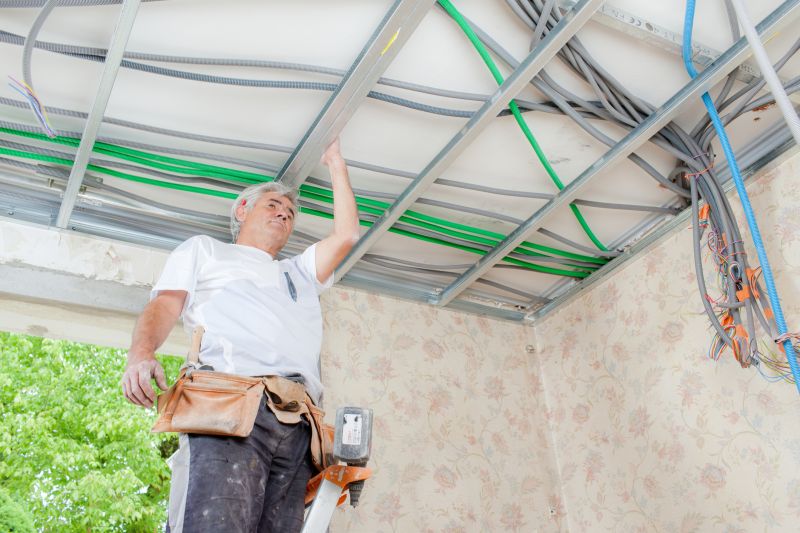
Clearly describe your interior lighting project to compare local contractors, verify experience, and set expectations in writing.
- Verify experience with interior lighting installation projects similar in scope and style. - Ensure service providers clearly define the scope of work and installation procedures in writing.
- Check references or reviews to assess the quality of previous interior lighting installations performed by the contractor. - Confirm that local contractors have a track record of reliable and professional work in interior lighting.
- Discuss the types of lighting fixtures and systems that will be installed to ensure compatibility with the space and design. - Clarify the contractor’s familiarity with various lighting options and their installation requirements.
- Request a detailed written scope of work, including materials, fixture placement, and any electrical modifications. - Make sure all project details are documented to set clear expectations before work begins.
- Confirm that the contractor adheres to all relevant electrical codes and safety standards during installation. - Ensure that the service provider follows proper safety practices and code compliance.
- Compare the warranties or guarantees offered for the installation work to understand coverage and service policies. - Review any guarantees to know what is covered after installation is completed.
Compare local contractors’ experience and clarify project scope to ensure successful interior lighting installation.
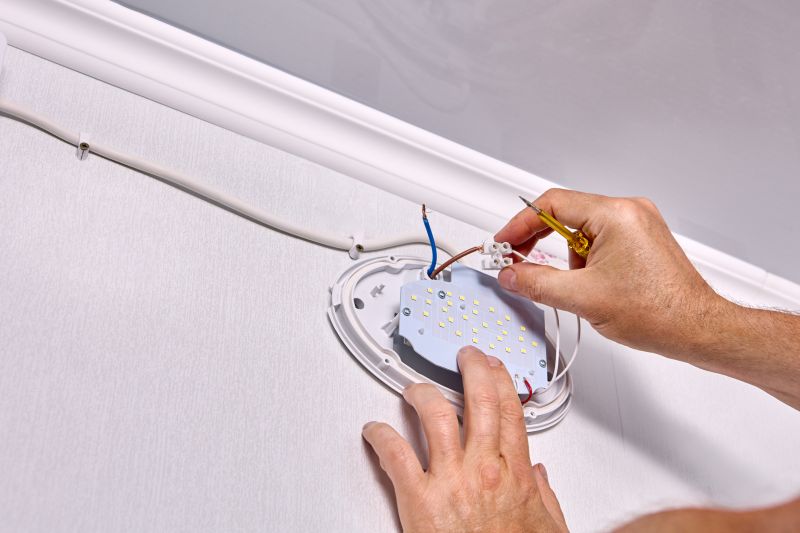
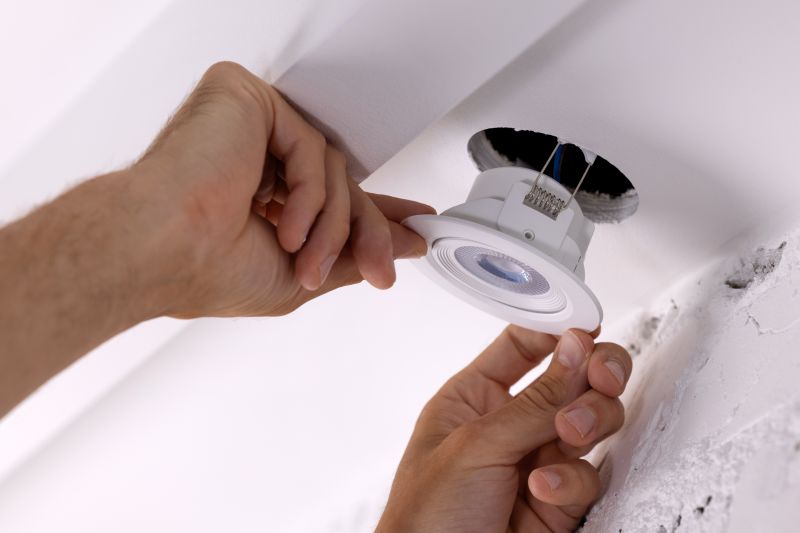


Compare local contractors consistently by clarifying scope, verifying experience, and documenting expectations clearly.
- Scope Definition - Clearly outline the specific areas and types of interior lighting to be installed or upgraded.
- Experience Verification - Confirm that the service providers have relevant experience with interior lighting systems similar to the project scope.
- Material Selection - Specify the types and styles of lighting fixtures, bulbs, and controls to be used in the installation.
- Work Specifications - Detail the installation procedures, wiring methods, and integration with existing electrical systems.
- Written Agreement - Ensure all scope details, expectations, and responsibilities are documented in a formal agreement with the service providers.
When evaluating contractors for interior lighting installation, it is important to consider their experience with similar projects. Homeowners should inquire about the types of spaces and lighting systems the service providers have worked on in the past. A contractor with a proven track record in projects comparable in scope and style can offer insights into potential challenges and solutions, helping ensure the project aligns with expectations. Reviewing a contractor’s portfolio or asking for references related to comparable work can provide a clearer picture of their familiarity with the specific requirements of interior lighting.
A clear, written scope of work is essential for a successful lighting installation. Homeowners should seek detailed descriptions of what the project will include, such as the types of fixtures, placement, wiring, and any associated finishing work. A well-defined scope helps prevent misunderstandings and ensures that everyone involved has a shared understanding of the project’s parameters. Service providers who can articulate the scope in writing demonstrate professionalism and clarity, making it easier to compare options and set realistic expectations.
Verification basics involve confirming that the service providers have the necessary experience and qualifications relevant to interior lighting projects. Homeowners can ask about the contractor’s familiarity with different lighting systems, brands, and installation techniques. Additionally, verifying that the contractor has a history of completing projects on time and within scope can be helpful. While formal licensing and certification are not the focus here, understanding a contractor’s background and the quality of their past work can serve as indicators of their reliability and expertise in handling interior lighting installations.
When comparing options, homeowners should focus on how each contractor proposes to approach the project and the clarity of their communication. Evaluating the details of their scope, the explanation of their process, and their ability to answer questions thoroughly can reveal their level of professionalism. It is also beneficial to assess how well each service provider understands the homeowner’s needs and whether they can offer tailored solutions. By prioritizing clear written proposals and a demonstrated understanding of the project’s specifics, homeowners can make informed decisions without relying on price alone, ensuring a smooth and well-managed lighting installation.
Ask contractors to provide written scope details to ensure clarity and consistency throughout the lighting installation project.
- Experience and Portfolio - What specific experience do local contractors have with interior lighting installation projects similar to yours?
- Scope of Work - How do contractors define and clarify the scope of the lighting installation to ensure all aspects are covered?
- Material and Fixture Selection - What guidance do service providers offer for choosing lighting fixtures and related materials?
- Project Expectations - How are project details, responsibilities, and deliverables documented to set clear expectations?
- Comparison Criteria - What key factors should be considered when comparing different local contractors for your interior lighting needs?
How can I compare interior lighting installation contractors? To compare local contractors, review their experience, verify references, and assess their portfolio of completed projects to ensure they meet your specific needs.
What should I clarify when defining the scope of an interior lighting project? Clearly outline the types of lighting fixtures, the areas to be illuminated, design preferences, and any special requirements to ensure contractors understand the full scope of work.
How can I verify a contractor’s experience with interior lighting installation? Ask for details about their past projects, request references, and review any available work samples to determine their familiarity with similar installations.
Why is it important to get the scope of work in writing? Having a detailed written agreement helps set clear expectations, avoid misunderstandings, and provides a reference point for the project's agreed-upon tasks and responsibilities.
What questions should I ask potential contractors during the selection process? Inquire about their experience, approach to installation, materials used, and how they handle project challenges to gauge their expertise and professionalism.
How can I ensure the contractor understands my interior lighting preferences? Communicate your design ideas and functional needs clearly, and request that these details are documented in the scope of work to prevent miscommunication.
Understanding the essentials of interior lighting installation helps ensure that homeowners can make informed decisions when selecting service providers. By comparing local contractors, defining the scope of work clearly, verifying their experience, and establishing expectations in writing, clients can better navigate the process and find suitable options for their project. This approach supports a smooth and transparent experience from start to finish.
To explore and compare local contractors capable of handling interior lighting installation, visitors are encouraged to use the quote form. This tool makes it easy to connect with service providers in the area, providing a straightforward way to evaluate options and find the right match for specific project needs.